
Services that look Beneath Behaviour
Beneath Behaviour supports children and young people aged 5–18 who may be experiencing difficulties with emotional regulation, anxiety, confidence, relationships, communication, school engagement, attendance or behaviour.
Support is personalised around each young person and may be delivered on a 1:1 or 2:1 basis, depending on their needs, risk assessment and Individual Support Plan.
Sessions can take place in schools, community settings, activity venues and other agreed locations. Home-based support may be considered where appropriate following a suitable risk assessment and agreement with the family and relevant professionals.
We currently provide support across Bedfordshire, including Bedford Borough and Central Bedfordshire, as well as Hertfordshire, Cambridgeshire and Luton. Availability may depend on the young person’s location, the type of support required and staffing capacity.
Where agreed as part of the support package, transport may be provided to and from sessions or activities. This is subject to parental or carer consent, appropriate risk assessment, valid documentation and ongoing vehicle and driver checks.
Our support combines psychology-informed mentoring, education-related support and meaningful activities. We do not provide formal diagnoses or award qualifications directly. Where appropriate, we can support young people to prepare for education, work-related learning, employability opportunities, driving theory, first aid or qualifications delivered by suitable external providers.
Activity and admission costs are considered separately from funded support hours. Any additional costs are discussed and agreed with the commissioner or referrer before the activity takes place.
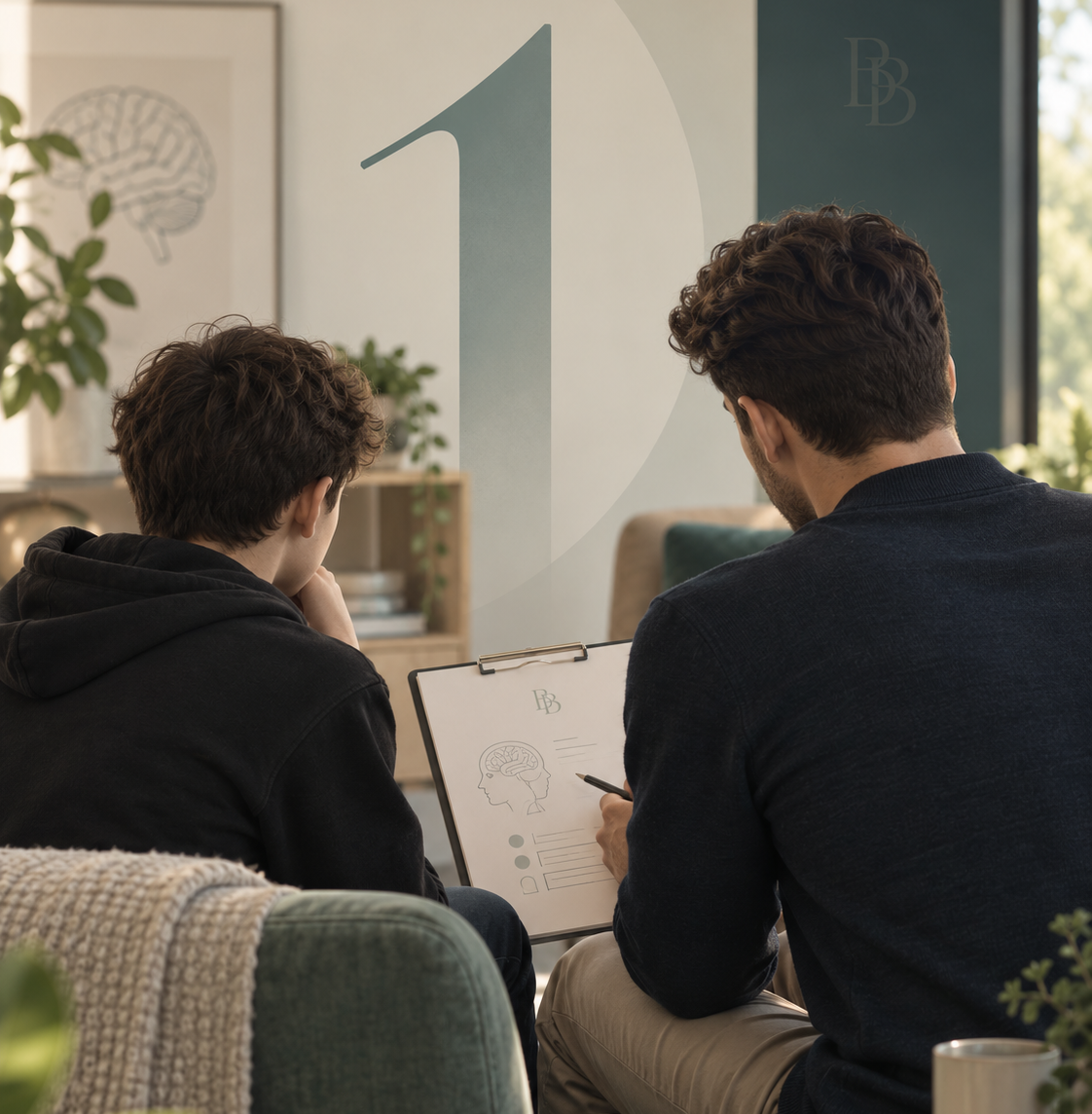
Understand
Behaviour rarely happens in isolation. It can reflect anxiety, unmet needs, difficulties with emotional regulation, relationships, communication, learning, neurodevelopment or experiences within a young person’s environment.
We begin by developing a clear understanding of the young person, their strengths, needs and the wider context surrounding their behaviour. This includes listening to the young person and gathering information from their family, school and other professionals involved in their support.
The information gathered is brought together using a biopsychosocial formulation. This helps us understand behaviour within the context of the young person’s experiences, emotions, relationships and environment.
Where appropriate, recognised screening and outcome measures may be used alongside strengths-based assessment and behavioural information. These tools support our understanding and monitoring of progress but are not used to provide a formal diagnosis..
Plan
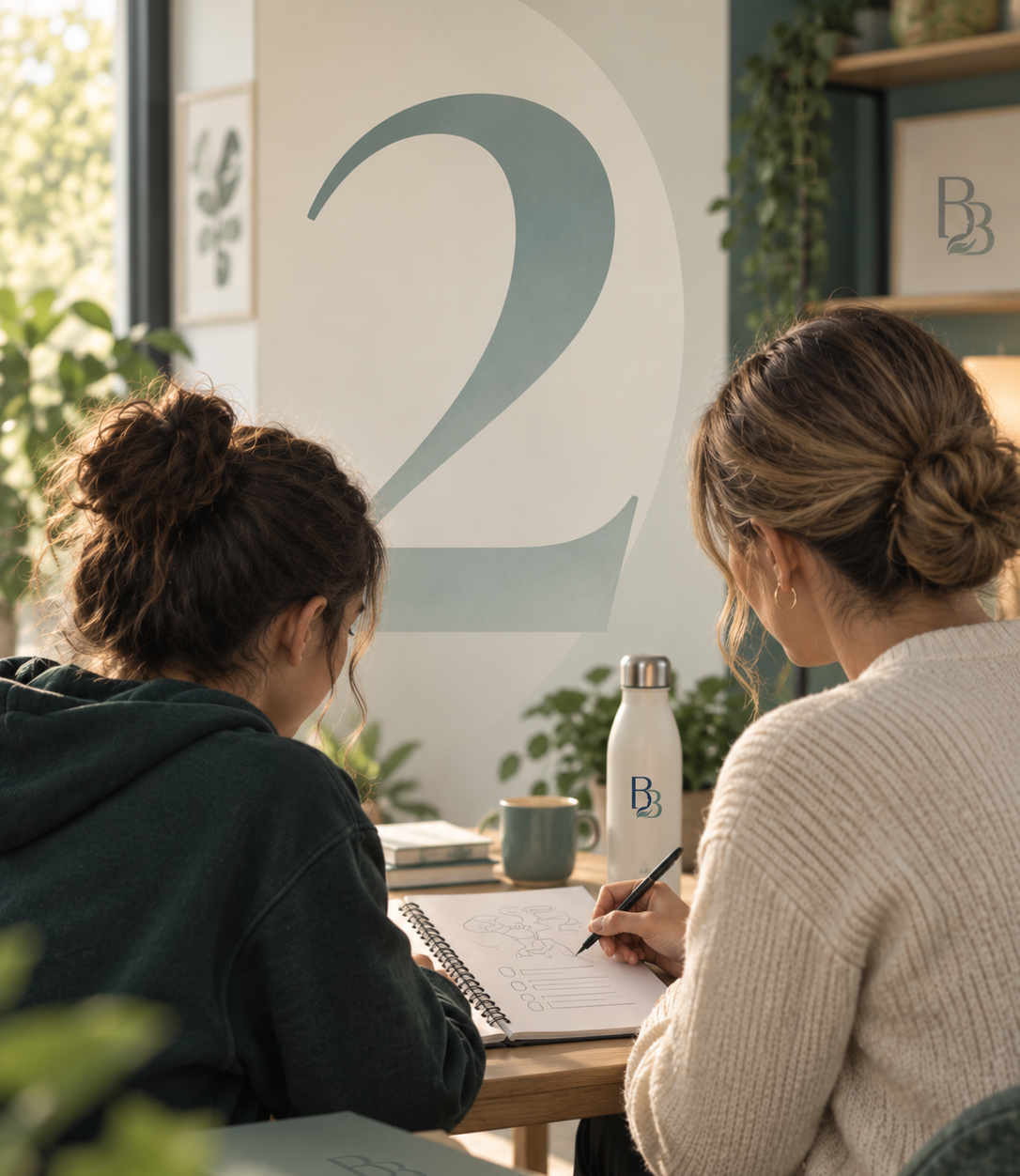
Once we have developed a clear understanding of the young person’s strengths, needs and the factors influencing their behaviour, we create an Individual Support Plan (ISP) with clear, meaningful goals.
The ISP is informed by the initial assessment process, including functional behavioural screening and psychological screening measures where appropriate, alongside information from the young person, family, school and wider professional network. This helps ensure that support is based on an understanding of what may be driving the young person’s presentation.
Goals may be structured using a SMART approach and linked to areas such as emotional regulation, confidence, attendance, engagement, relationships, independence or reintegration.
The plan also considers the young person’s interests and preferred ways of engaging, allowing psychology-informed work to be built into activities that feel relevant and purposeful.
Risk assessment, safety planning, review points and reporting arrangements are agreed from the outset so progress can be monitored and support adapted as the young person develops
Support
The young person receives consistent, relationship-based 1:1 psychology-informed mentoring, shaped around their individual needs, strengths, interests and goals. The relationship is central to the work, with mentors focusing on building trust, consistency and a sense of safety before expecting meaningful change.
Support may draw on evidence-informed approaches such as CBT, ACT, motivational interviewing, solution-focused techniques and emotional regulation strategies, depending on what is most relevant to the young person. This can include work around anxiety, confidence, motivation, relationships, communication, school engagement, independence and behaviour.
Sessions are designed to be practical as well as therapeutic. Psychological ideas can be explored through conversation, structured activities and real-world experiences, helping young people practise skills in the situations where they are actually needed.
Where appropriate, we also work closely with families, schools and other professionals so that support remains joined-up, consistent and responsive, with progress and emerging needs communicated clearly throughout the placement.

Experience
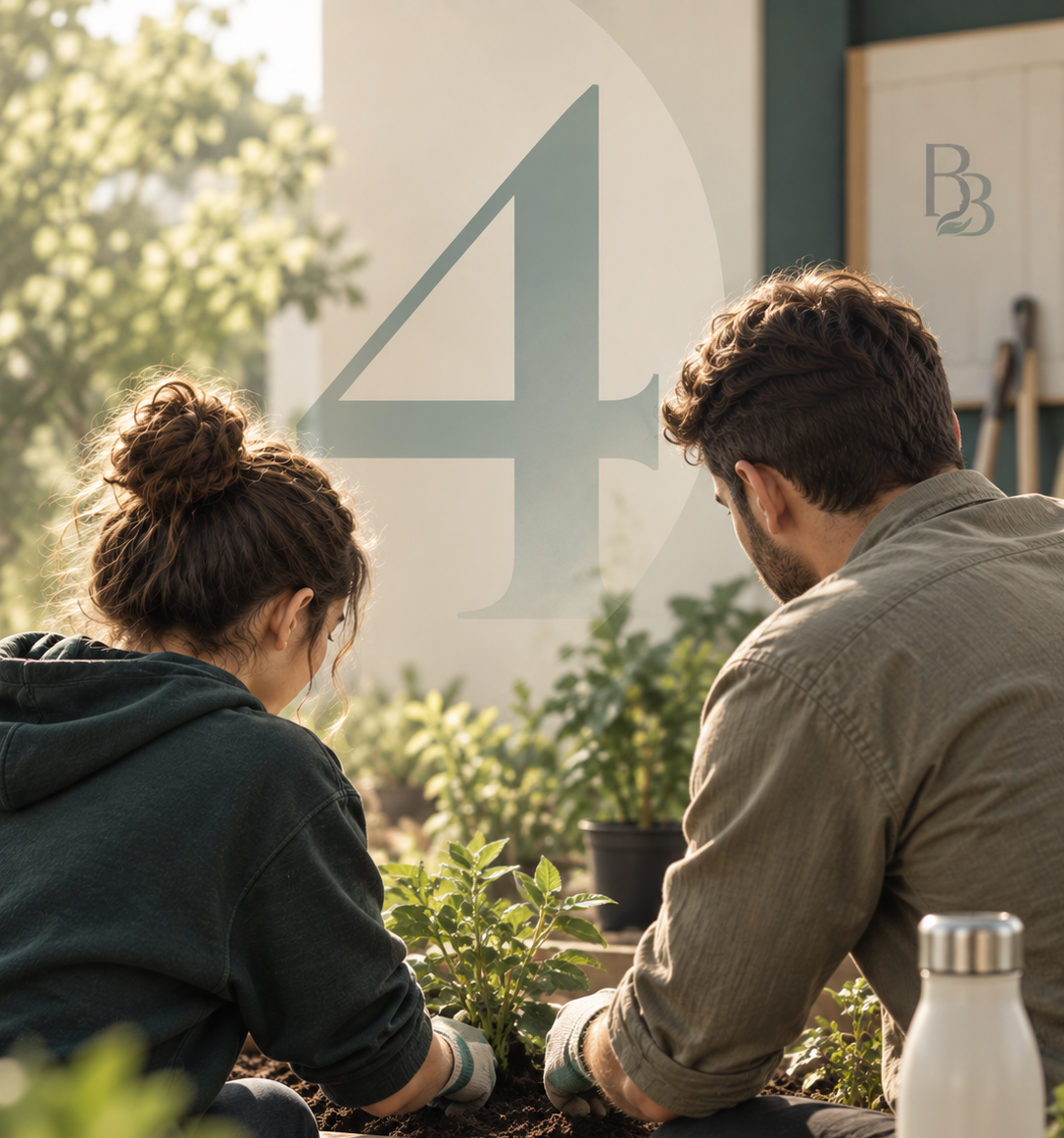
We believe meaningful change does not always have to happen behind a desk. Young people are given opportunities to learn, practise and build confidence through real-world experiences that are linked to their Individual Support Plan and wider goals.
This may include physical activity, sport, community-based learning, outdoor experiences, creative work, vocational opportunities and practical life skills. Where appropriate, Beneath Behaviour can support young people to prepare for recognised qualifications, courses or work-related opportunities delivered by suitable external providers
Activities are purposeful rather than simply recreational. They provide opportunities to develop and practise skills such as independence, resilience, communication, problem-solving, emotional regulation, confidence and self-efficacy in situations that feel meaningful to the young person.
Experiences are shaped around the young person’s interests and strengths, helping them discover new abilities, build positive relationships and develop skills that can transfer into education, home life, the community and future employment.
What Does A 3 – Hour Session Look Like?
9:00 – 10:30 | Collection, Therapeutic Work
Collection and check-in, followed by focused psychology-informed or educational work. This could include Zones of Regulation, anxiety work, confidence building, emotional regulation or school engagement.
10:45-11:45 | Enrichment, Skills & Real-World Practice
This may include sport, vocational activities, life skills, community-based learning, practical experiences or other enrichment linked to the young person’s interests and personalised support plan.
11:45-12:00 | Reflection & Return
The session ends with a short reflection on progress, key learning and next steps before the young person is returned home or to the agreed location.

